


What Is Digital Printing in Textiles? | REEL TRİKO
Digital printing is the process of transferring digitally created images, patterns, motifs or text onto textile surfaces using suitable printing technologies.
Digital printing can be used on various textile surfaces, including knitted fabrics, viscose-based fabrics, jersey fabrics, sweatshirt and tracksuit materials.
Unlike traditional printing methods, designs are prepared digitally and transferred to the printing process through computer-controlled systems. This method provides significant flexibility, particularly for colourful, detailed and original designs.
At REEL TRİKO, digital printing applications are planned according to the fabric structure, design, colour palette and overall character of the collection.
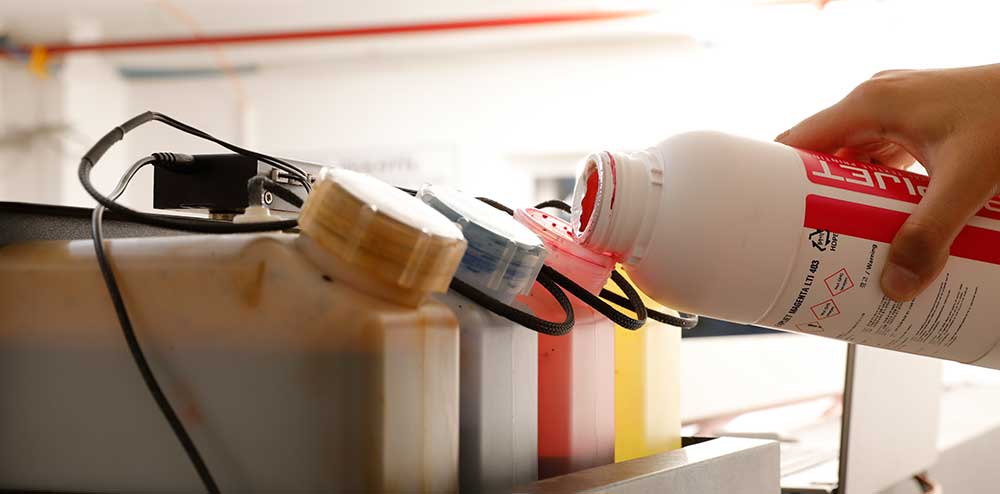
The CMYK colour system is widely used for colour management in digital printing:
C — Cyan
M — Magenta
Y — Yellow
K — Key Black
Correct colour management, machine settings and the quality of printing or transfer materials directly influence the final appearance of the print.
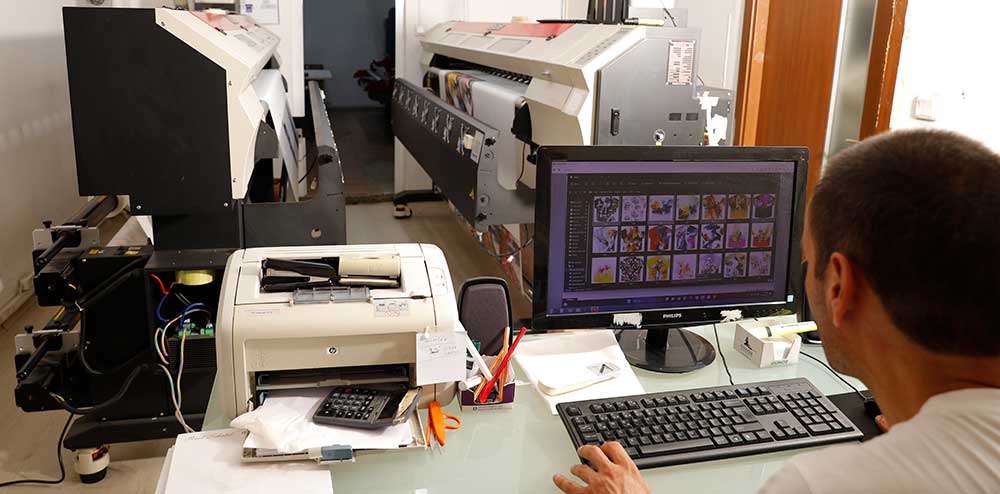
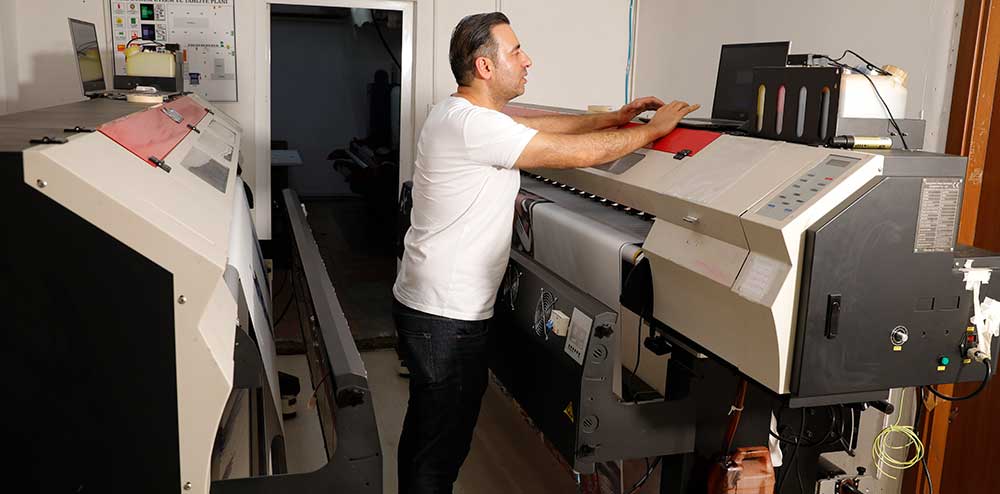
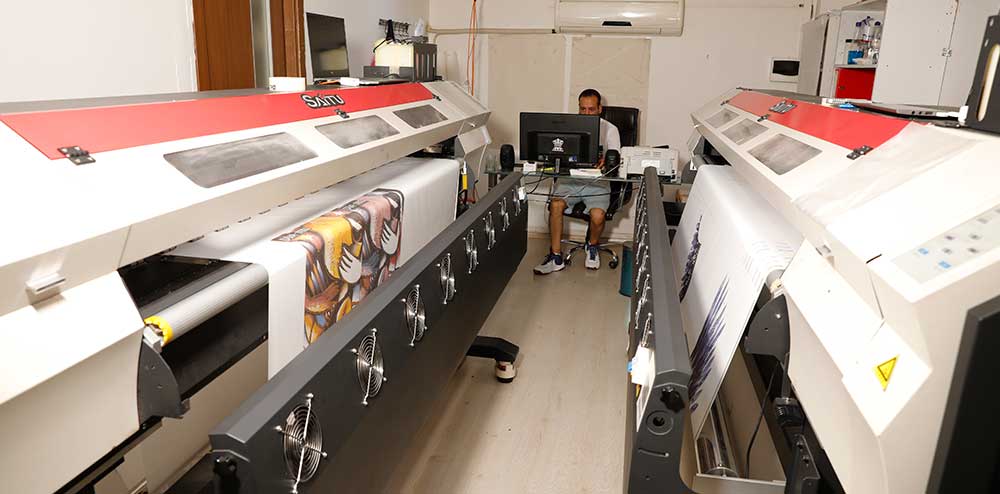
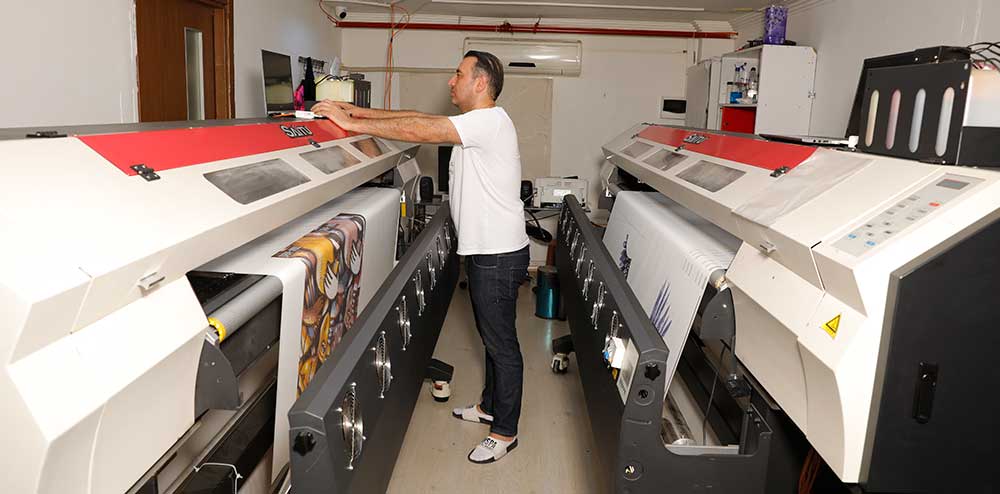
REEL TRİKO uses modern printing equipment to transfer designs onto textile surfaces as accurately and consistently as possible.
REEL TRİKO Digital Print Design
Our digital print designs are developed according to the collection concept, target market and intended use of the garment.
Each design is evaluated not only for visual impact but also for its compatibility with the fabric and garment structure.
Digital prints in women’s fashion may range from minimal patterns and geometric motifs to dynamic graphics and seasonal designs.
Age group, target market, season, fashion trends and fabric characteristics are all taken into consideration during the design process.
How Do We Create Original Digital Prints for Women’s Fashion?
The first stage is identifying the customer profile and target market of the collection.
Patterns are developed according to customer expectations, age group, regional fashion preferences and seasonal trends.
As a women’s clothing manufacturer, REEL TRİKO follows seasonal fashion developments and the requirements of international markets.
Colours, patterns, graphics and motifs that change from season to season are interpreted according to the characteristics of the fabric and garment.
Designs are first reviewed digitally. Once colour, size, pattern density and placement have been approved, preparation for printing begins.
These designs can be adapted to women’s knitwear collections and various other women’s fashion products.
Which Design Programs Are Used for Digital Printing?
Various professional graphic and image-editing programs can be used in textile print design.
Depending on the requirements of the project, REEL TRİKO uses:
Adobe Photoshop
Adobe Illustrator
CorelDRAW
These programs allow designers to prepare colours, dimensions, repeat structures, motif placement and the way a pattern will appear on the fabric.
REEL TRİKO | Digital Printing Production Stages
The digital printing process begins with the preparation of the design on a computer.
Once approved, the design is converted into a suitable file format and transferred to the printing system.
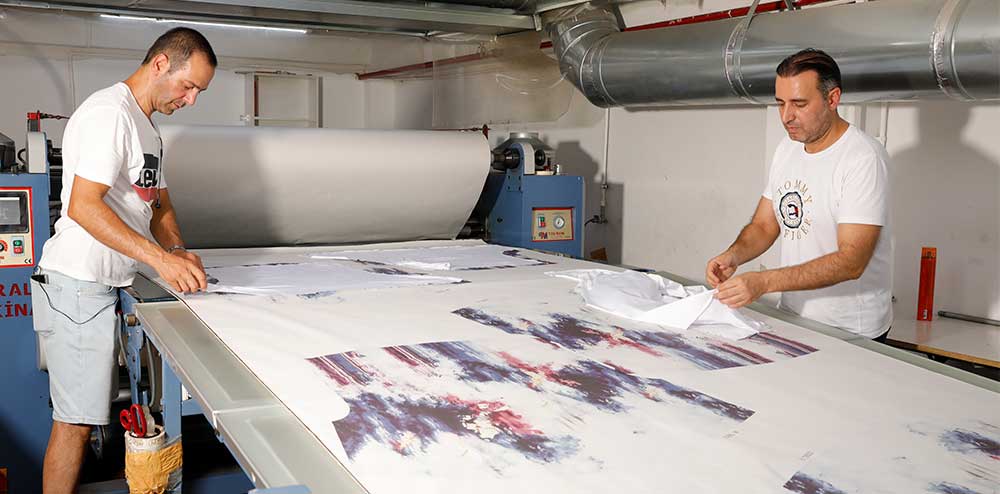
The design is initially printed onto the appropriate transfer surface.
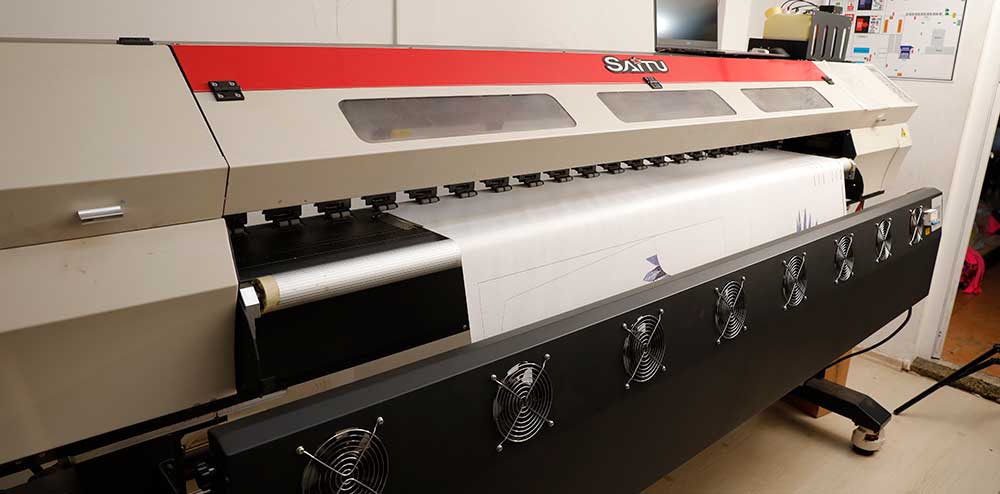
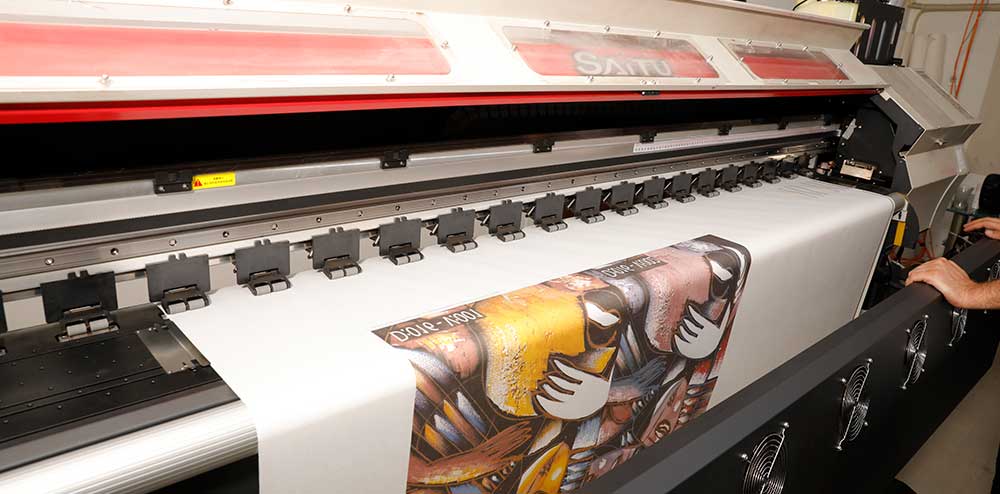
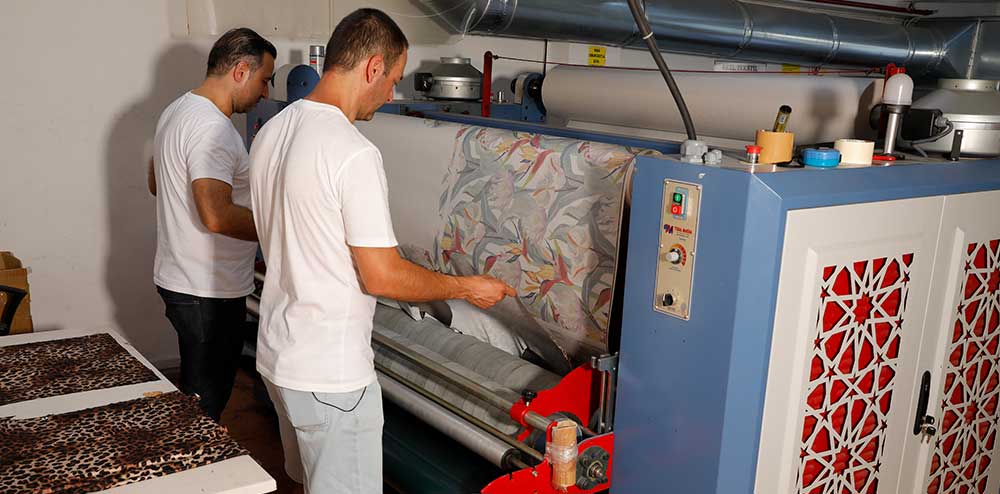
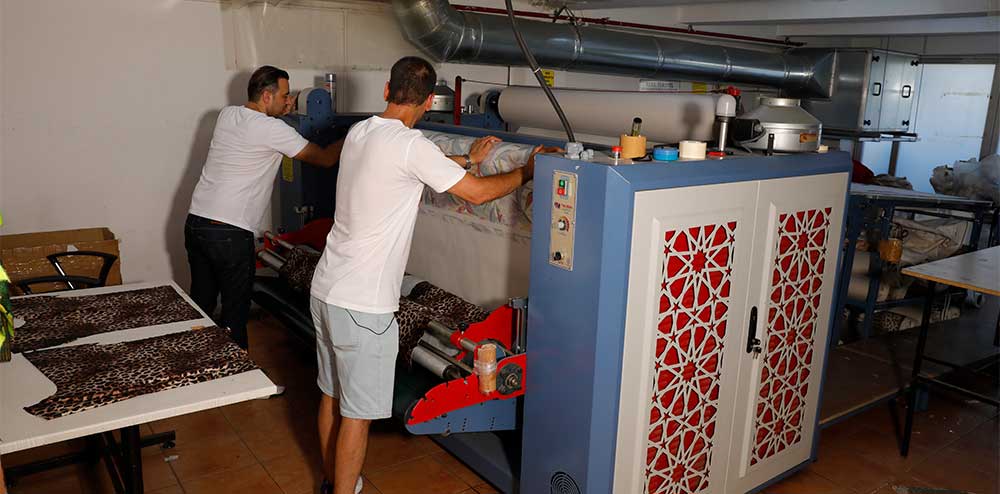
With our SAITU digital printing machine, the design is transferred to the system and the necessary machine settings are completed before production.
Test prints are used to check positioning, colour balance and print consistency.
Once the necessary adjustments have been completed, serial printing can begin.
Printing time may vary according to the size, colour density, resolution and production settings of the design.
Transfer Printing Stage
Once the printed transfer material is ready, temperature, pressure and machine speed are adjusted according to the characteristics of the fabric.
The printed surface and fabric are fed through the transfer system in a controlled manner.
Heat and pressure transfer the design onto the textile surface.
Temperature and application time are not identical for every fabric. Settings must be adjusted according to the fibre composition, thickness and printing technique.
When correctly applied, transfer printing can help achieve consistent visual results and vivid colours in serial production.
Factors Affecting Digital Print Quality
A high-quality result depends on more than the printing machine alone.
Important factors include:
Fabric structure and composition
Design resolution
Colour management
Quality of printing and transfer materials
Temperature, pressure and application time
Machine calibration
Final quality control
Managing these elements together helps achieve better results in terms of colour, definition and durability.
Digitally Printed Women’s Clothing
Digital printing can be used on various women’s fashion products.
At REEL TRİKO, each application is evaluated according to the design and fabric structure of the garment.
Digital printing can be used in knitwear, blouses, casualwear, tracksuits and seasonal women’s fashion collections.
The appropriate printing technique must be selected according to the characteristics of each textile surface.
Quality Control After Digital Printing
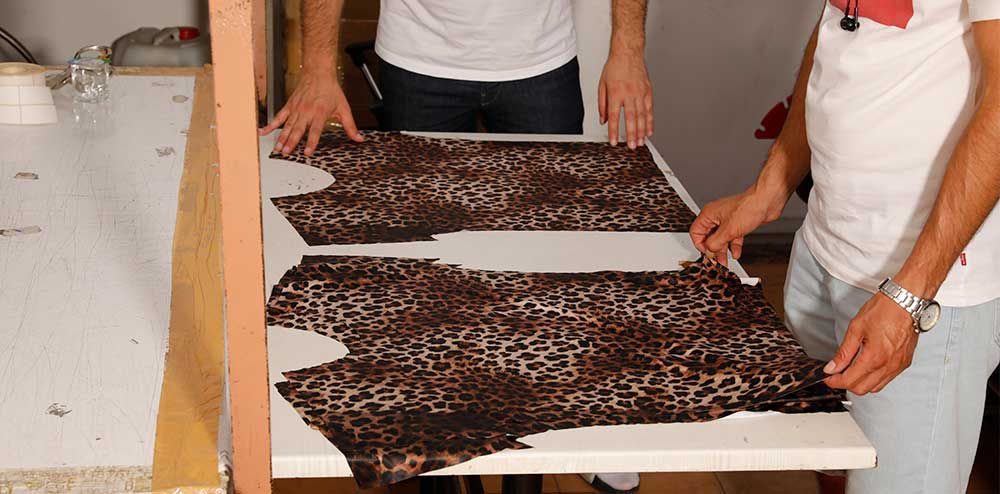
Once printing and transfer have been completed, colour distribution, design position, print definition and fabric surface are inspected.
The product is checked to ensure that the print has been positioned correctly and that no unwanted deformation has occurred.
The garments then pass through ourironing, packaging and quality control processes before being prepared for sale and shipment.
REEL TRİKO combines its experience in women’s clothing manufacturing with digital design and modern printing technologies to develop collections for professional buyers in different markets.
