


What Is Knitwear Knitting?
The term knitwear refers to textile structures created by forming yarn into interconnected loops.
Knitting has a long history, and one of the earliest knitting machines was developed in 1589 by William Lee near Nottingham, England.
Knitting is the process of transforming individual yarns into loops using knitting needles and auxiliary elements and connecting these loops horizontally and vertically to form a textile surface.
It is one of the most efficient systems for converting yarn into a fabric structure.
Compared with many other textile surfaces, knitted fabrics can offer greater flexibility, elasticity, softness and fullness.
Women’s knitwear production is distinguished by the working principles of specialized knitting machines, including double needle-bed technology.
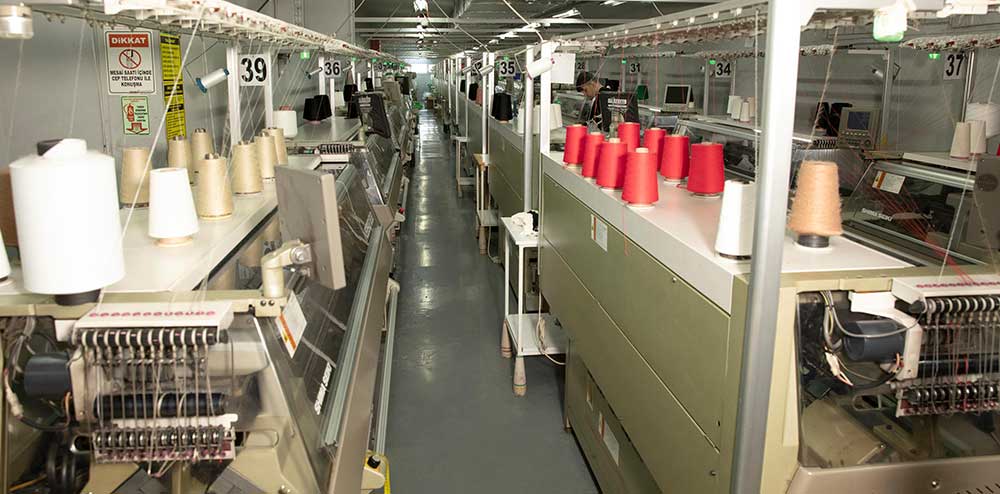
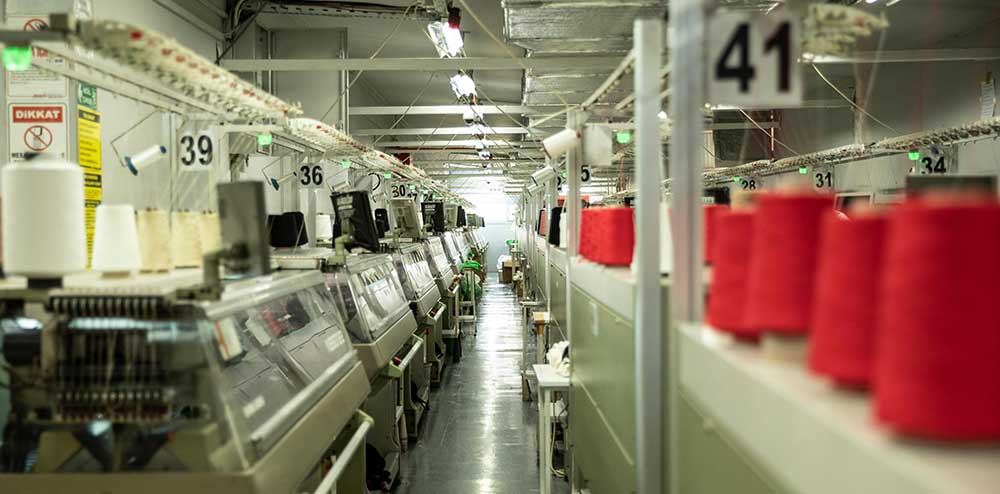
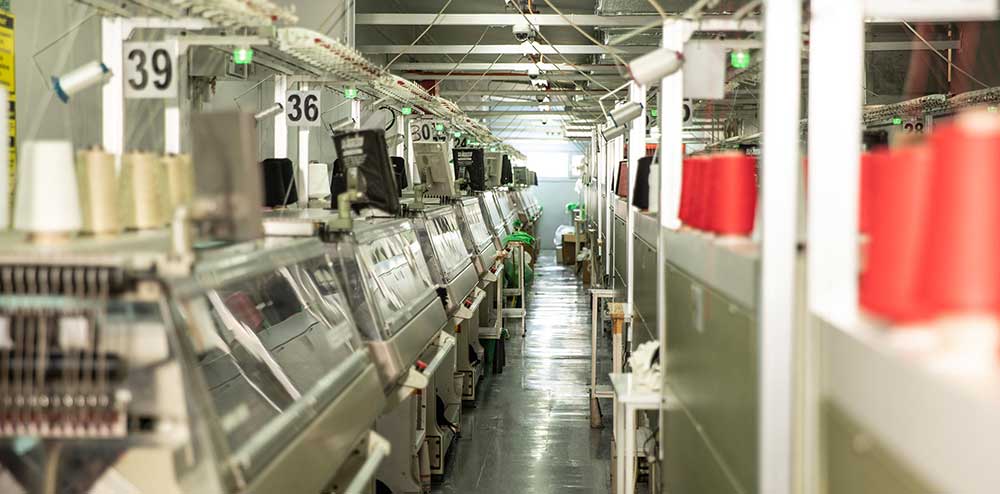
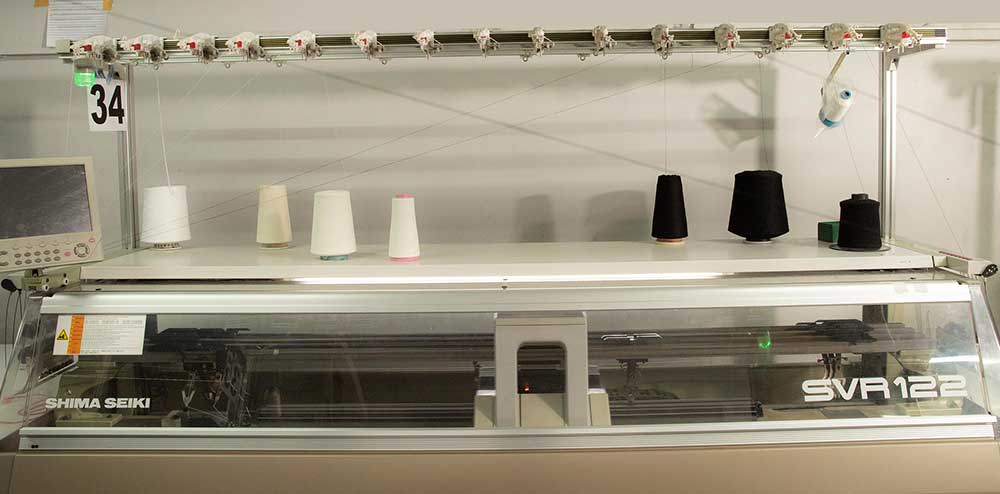
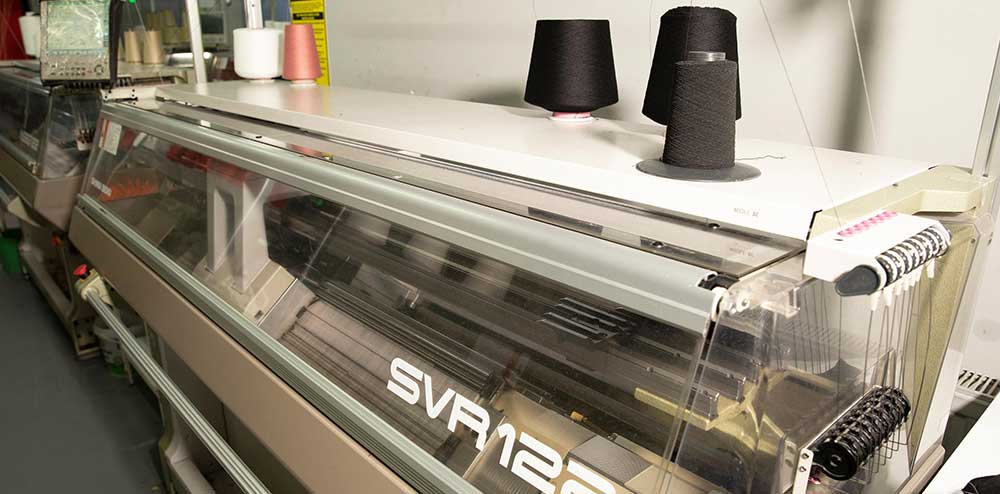
At our facilities, SHIMA SEIKI knitting machines use front and rear needle beds, yarn guides and machine mechanisms working together to perform the knitting process.
One of the most important features of modern knitwear machines is double needle-bed knitting technology.
Many techniques once carried out by hand can now be applied professionally using our modern machinery and production technology.
How Does a Knitwear Knitting Machine Work?
Flat knitting machines feature knitting needles positioned side by side on straight needle beds.
Carriages and yarn guides move across the needle beds from one side of the machine to the other.
The carriage contains the mechanisms that control the knitting process, while the yarn guides deliver yarn correctly to the knitting needles.
Yarn is fed from cones to the needles and transformed into the required knitted surface according to the programmed design.
Are Knitted Garments Comfortable?
One of our main objectives at REEL TRİKO is to manufacture high-quality Turkish knitwear with a high level of comfort.
We pay close attention to yarn quality in every style we design and manufacture. Yarn selection depends on the design, knitting structure, season and desired hand feel.
Yarn softness, wearing comfort and the ability of the garment to retain its shape are among the key factors we consider during production.
Knitted fabrics are widely used throughout the textile industry. The flexible loop structure naturally provides elasticity and comfort.
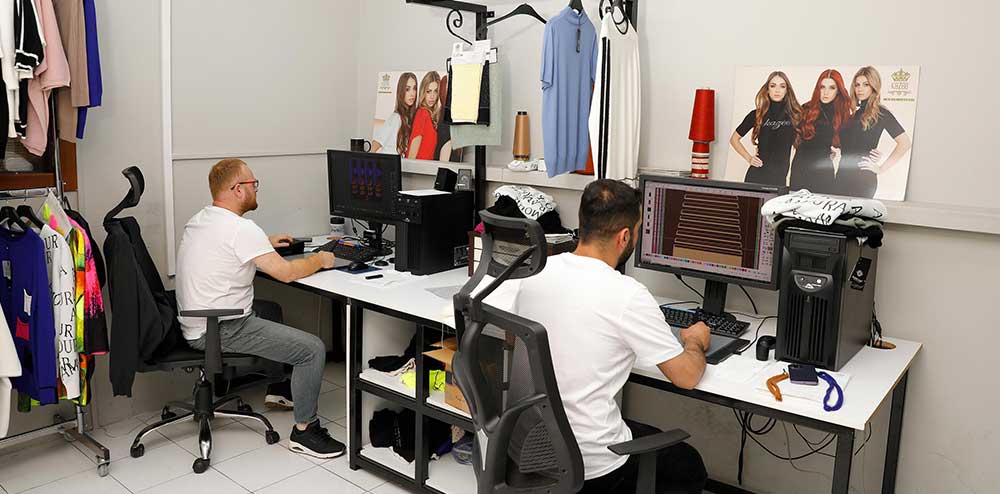
REEL TRİKO | Knitwear Knitting Department
REEL TRİKO has been combining experience in women’s knitwear manufacturing with modern production technology since 1993.
Our main knitting machinery includes:
SHIMA SEIKI NSSG-122 / 14 GG — 48 Machines
SHIMA SEIKI SIR-122 / 14 GG — 4 Machines
SHIMA SEIKI NSSG-122 / 7 GG — 16 Machines
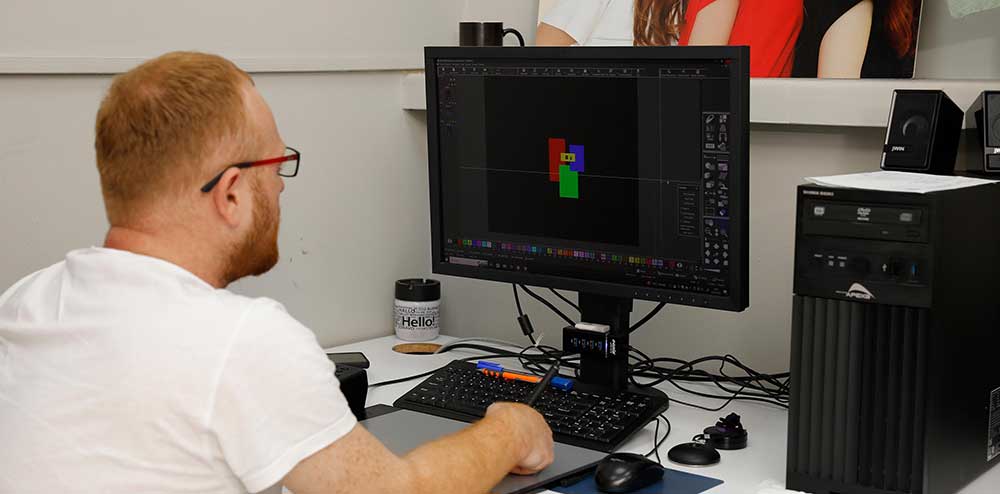
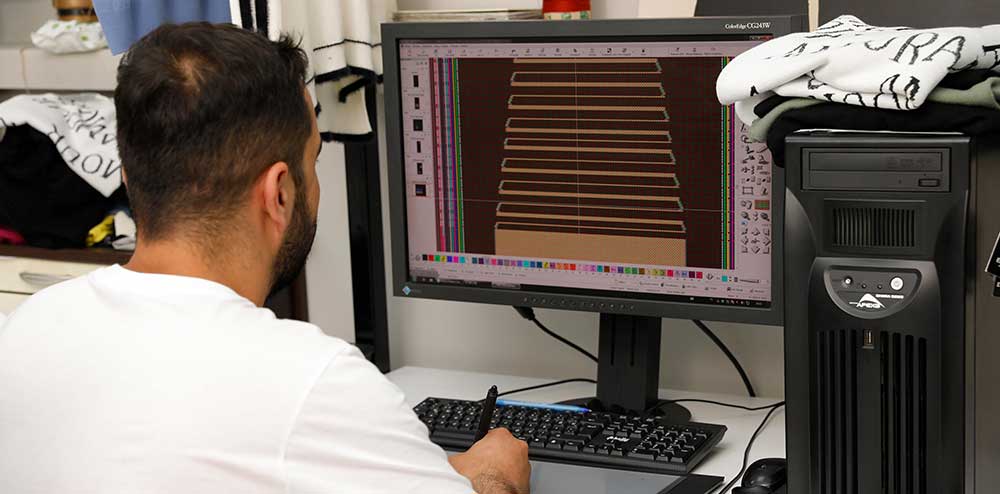
SHIMA SEIKI Model Computer — 2 Units
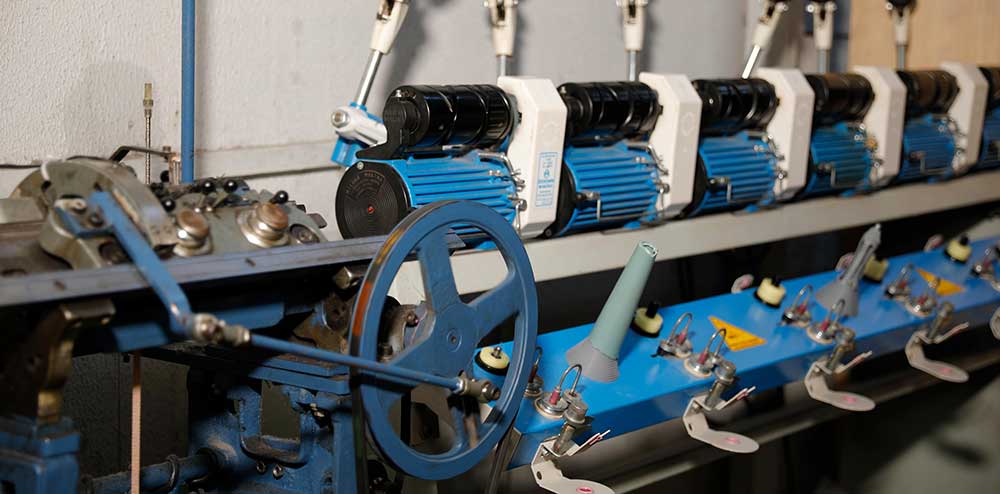
MİLHAN Machine Soft Winding — 4 Machines
Our experienced production and design teams develop different knitwear styles according to the collection structures and requirements of our customers.
How Should Knitted Garments Be Washed?
To preserve the structure and shape of knitted garments, washing at excessively high temperatures is generally not recommended.
Washing and drying methods may vary according to yarn composition. Delicate yarns such as Angora may be better suited to flat drying rather than hanging.
After production, our garments pass through ironing, packaging and quality control processes managed by experienced teams.
Areas of Use for Knitwear
REEL TRİKO produces sweaters, cardigans, vests,knitted trousers, knitted skirts and various other women’s knitwear styles.
Knitwear is not limited to winter collections. Depending on the yarn and knitting structure, it can also be used in summer and transitional-season collections.
REEL TRİKO | Our Knitting Techniques
Intarsia Knitting
Single-Bed Knitting
Rib Knitting
Cable Knitting
Raised Knitting
Tuck Stitch
Single-Welt Knitting
Full-Needle Knitting
Double-Welt Knitting
Terry Knitting
Cardigan Stitch
Jacquard Knitting
Double-Bed Knitting
Slub Knitting
Transfer Knitting
Rib Structures
Garter Stitch
