


What Is Garment Manufacturing? | REEL TRİKO
Garment manufacturing is the stage of textile and apparel production in which knitted or woven components are assembled according to specified measurements, patterns and production techniques to create a finished garment.
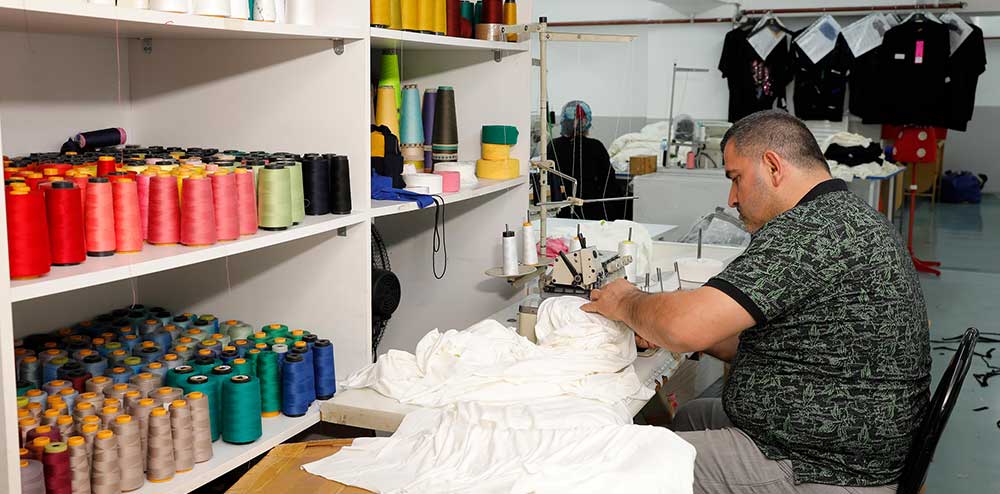
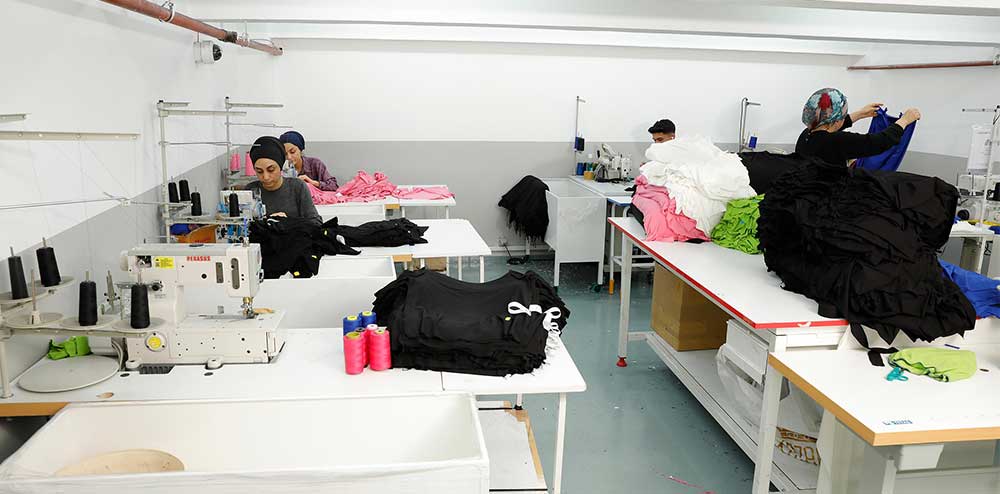
In women’s clothing manufacturing, the garment department plays an important role in sewing, joining components, applying accessories and preparing the product for subsequent production stages.
Parts produced for women’s knitwear are assembled according to the technical specifications of each style.
The successful completion of knitted and woven garments requires not only machinery but also experienced operators, technical knowledge and disciplined production processes.
At REEL TRİKO, sewing operations are followed according to model specification sheets, body measurements, design details and production instructions.
How Are Knitted Garments Sewn?
Knitted garments may require different sewing techniques from conventional woven garments.
Parts produced on knitting machines can include front panels, back panels, sleeves, collars and other components, depending on the design.
Before assembly, these components are inspected and then processed according to the sequence specified in the technical sheet.
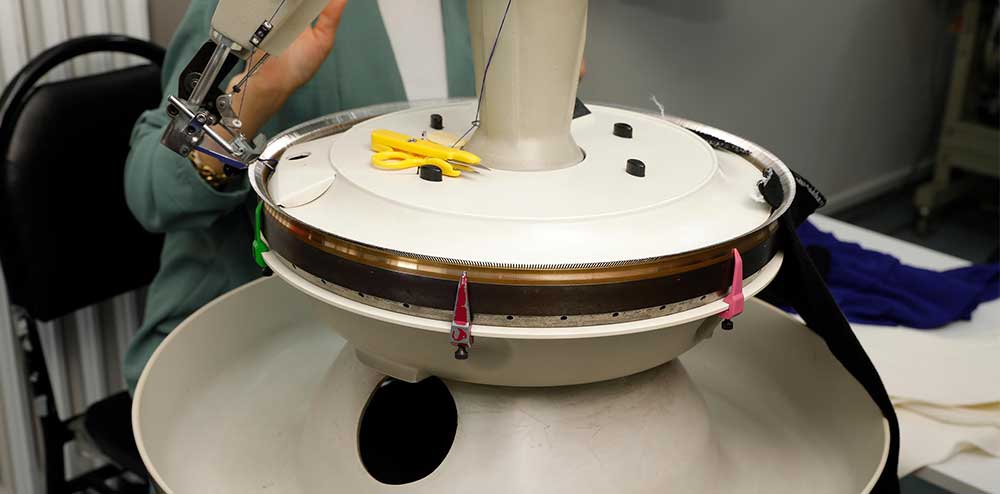
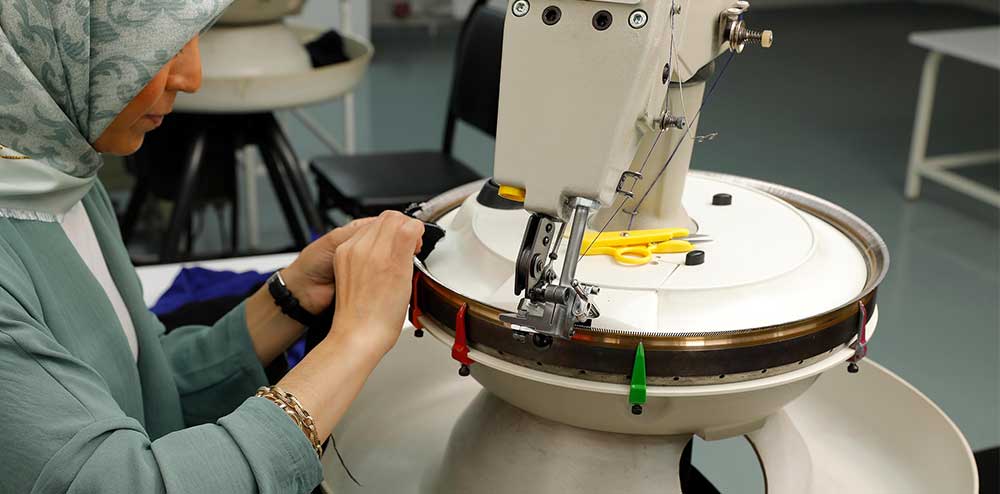
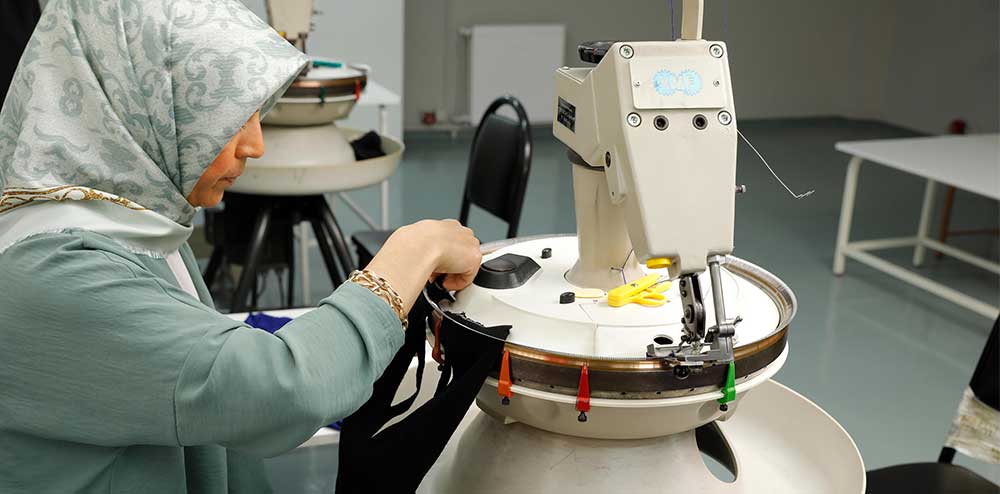
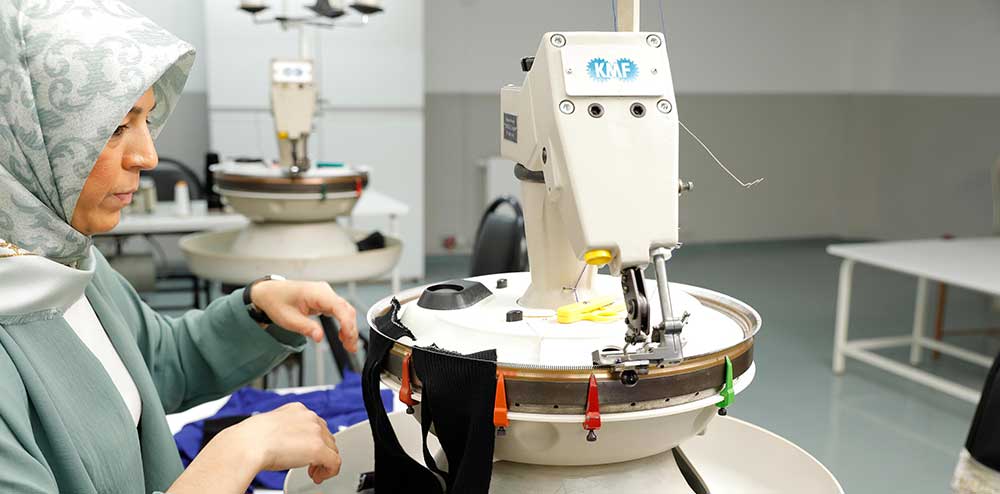
Specialised machines such as linking machines can be used when joining knitwear.
During linking, the loops of the knitted components are positioned carefully on the machine needles. Accurate loop alignment is particularly important around collars, shoulders and other joining areas.
The sewing thread is selected to match the colour, yarn structure and general appearance of the garment as closely as possible.
Coordinated work between design, knitting and sewing teams plays an important role in achieving consistent product quality.
How Are Jersey Tops and Blouses Sewn?
Stretch jersey and similar fabrics require sewing techniques and machinery suitable for their elasticity.
Fabric weight, stretch, thickness and garment design influence the type of stitch and machinery used.
In lockstitch sewing systems, the needle thread and bobbin thread work together to join the fabric layers.
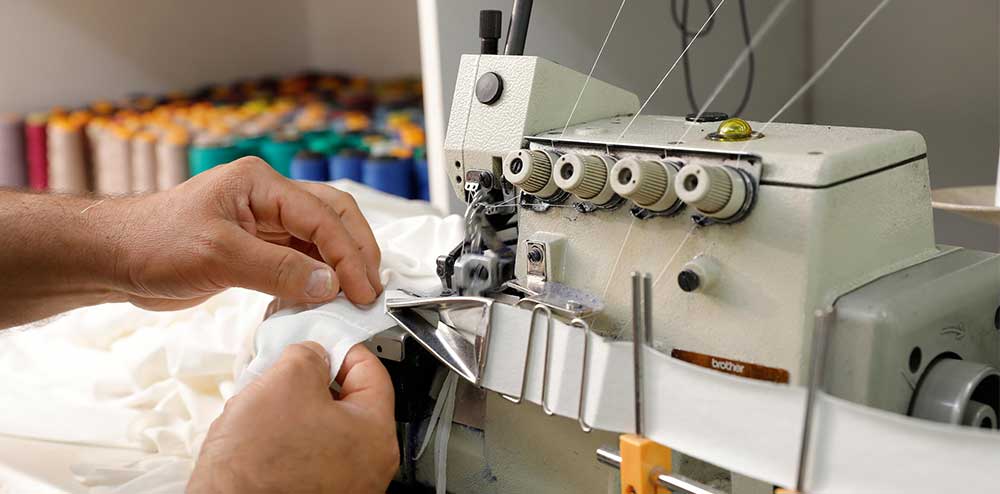
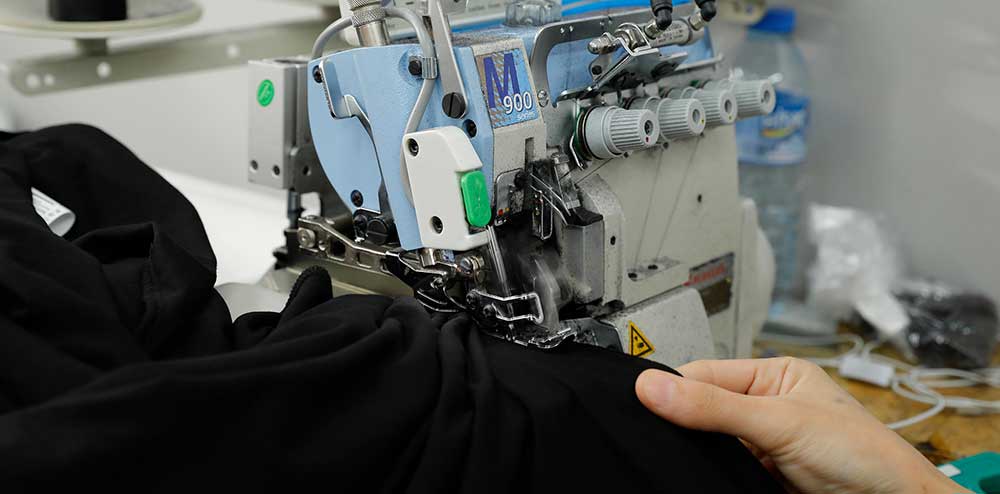
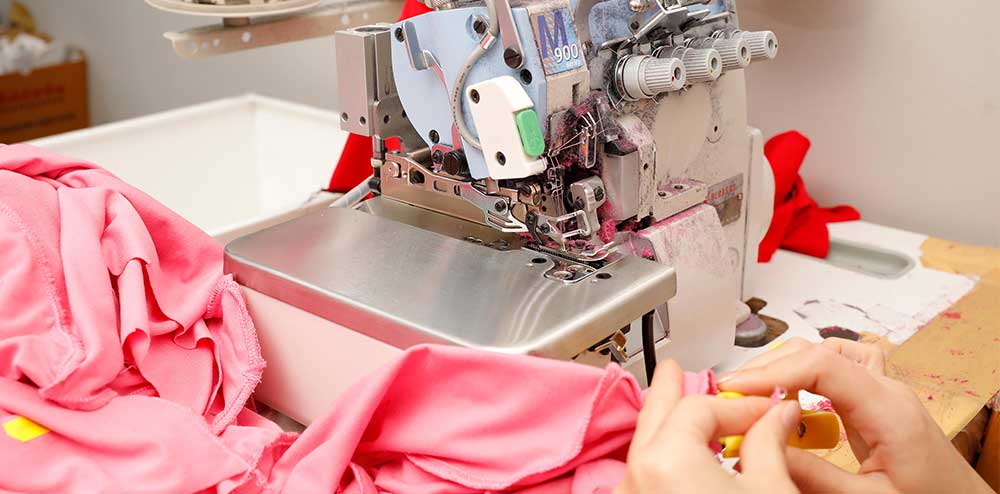
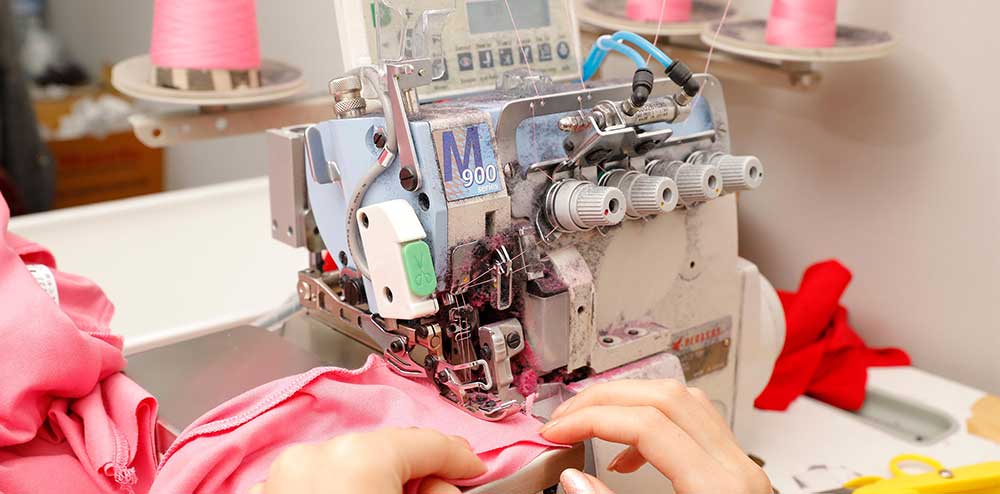
Overlock machines are particularly useful for finishing fabric edges, joining components and creating controlled seam structures.
Sewing settings are adjusted to preserve the elasticity and shape of the garment.
REEL TRİKO Garment Machinery
Main machines used for sample preparation and sewing operations include:
KMF Linking Machine — 2 Units
BROTHER N Series Overlock — 3 Units
JUKI / Singer Sewing Machines — 4 Units
Our machinery is particularly used for sample development, checking production feasibility and establishing sewing standards before serial production.
Sample and Serial Production Process
Before a style enters serial production, a sample is prepared.
During sample development, the following are checked:
Fit
Garment measurements
Seam construction
Collar and sleeve assembly
Accessory details
Overall appearance
Once the sample is approved, technical details and production instructions are communicated to the sewing teams.
REEL TRİKO works with more than 20 garment workshops, while around 300 team members within the wider production network support different stages of production.
The main objective is not simply to manufacture large quantities, but to maintain the fit, sewing and quality standards approved at the sample stage throughout production.
Quality Control After Sewing
Finished garments are not sent directly for shipment.
Seams, measurements, knitted joins, accessories, labels and overall appearance are inspected.
After any necessary corrections, products continue to our ironing, packaging and quality control processes.
REEL TRİKO | Women’s Knitwear and Garment Manufacturing
REEL TRİKO coordinates different production stages, from design and women’s knitwearproduction to sewing, ironing, packaging and quality control.
Our aim is to maintain a consistent production standard from design to finished product for boutiques, professional buyers and international markets.
